Poland
Old Cities, Deep Traditions & Striking Landscapes
Discover Poland
A country where innovation, heritage and everyday life intersect
Discover the enchanting charm of Poland with Andiamo Travel, your one-stop shop for unforgettable adventures. From the vibrant streets of Kraków to the stunning landscapes of the Tatra Mountains, Poland offers a unique blend of rich history, diverse culture, and breathtaking scenery. Whether you're seeking a cozy hotel, thrilling activities, or convenient flights, we have everything you need to craft the perfect getaway. Let us help you explore this captivating destination and create lasting memories!
Visa Requirements
South Korea offers straightforward entry for European travellers.
EU passport holders may enter visa-free for up to 90 days for tourism.
A valid passport is required for entry.
Travellers must complete K-ETA (Korea Electronic Travel Authorization) prior to arrival, unless exempt at the time of travel.
Proof of onward travel may be requested on arrival.
Entry procedures at international airports are efficient and well organised.
Language Spoken
The official language is Korean.
- English is widely taught and increasingly spoken, particularly among younger people and in major cities.
- English signage is common on public transport, in airports and at major attractions.
In smaller towns and rural areas, English may be limited, but visitors will generally find locals helpful and patient, with translation apps filling any gaps.
Accepted Currencies
Currency: South Korean Won (KRW)
Credit and debit cards are widely accepted in cities, hotels, restaurants and shops.
Cash is still useful for street food, markets and smaller establishments.
ATMs are readily available, though not all accept foreign cards—international ATMs are common in cities.
Carrying some cash alongside cards is recommended.
Weather & Best Time to Visit South Korea
South Korea experiences four distinct seasons.
- Spring (April–May): Mild weather and cherry blossoms; ideal for sightseeing.
- Summer (June–August): Hot and humid, with monsoon rains in July; festivals and coastal travel are popular.
- Autumn (September–November): Cool, clear and colourful—one of the best times to visit.
- Winter (December–February): Cold with snow in northern and mountainous areas; popular for skiing and winter festivals.
Best time to visit:
- April to May and September to October for comfortable weather and scenery
Destinations to Discover in South Korea
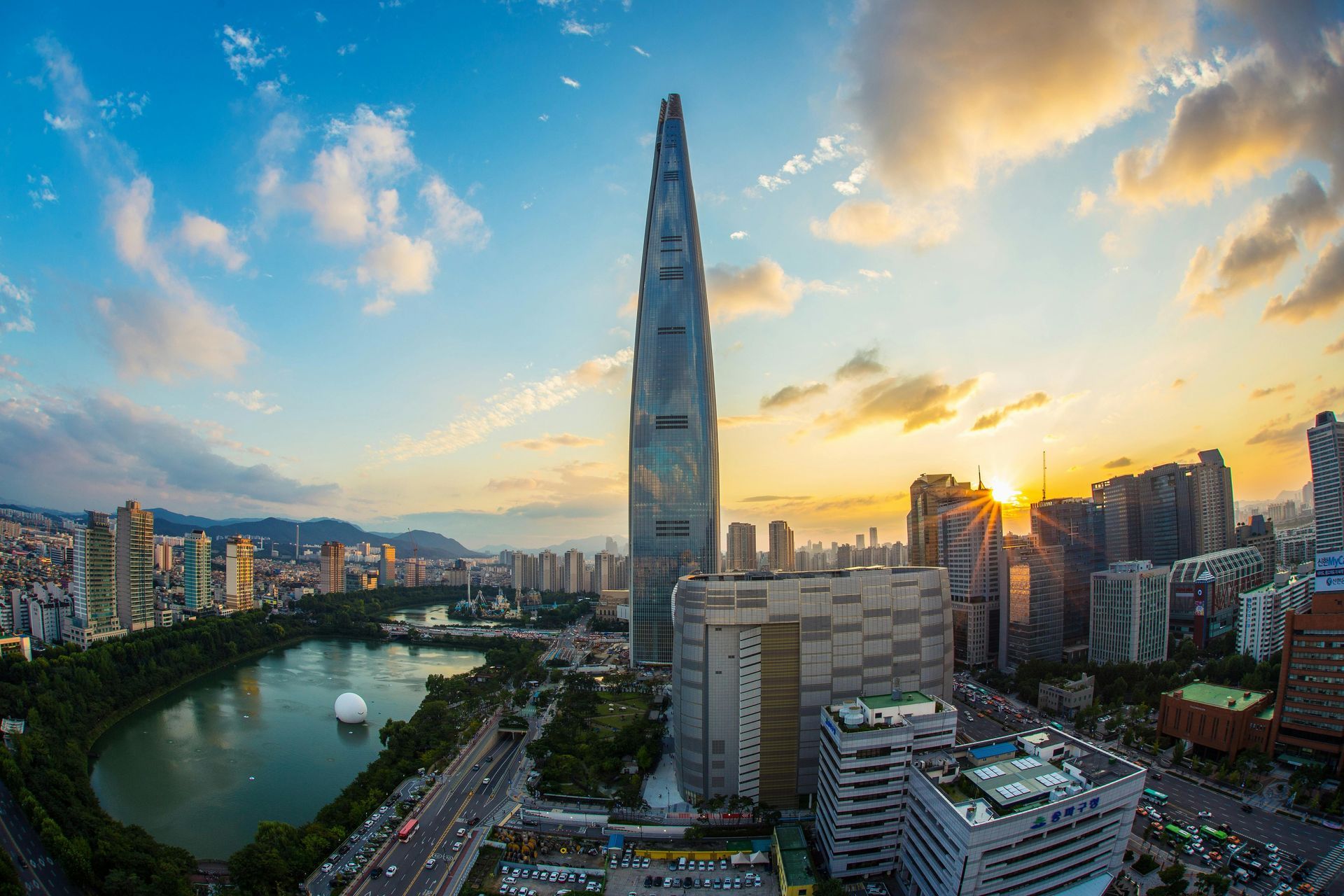
Seoul – Tradition Meets Tomorrow
Seoul is a vast, energetic capital where ancient palaces and modern skyscrapers coexist seamlessly. Royal complexes sit beneath mountain backdrops, while neighbourhoods shift rapidly from historic alleyways to cutting-edge shopping and nightlife districts.
The city is also the cultural engine of South Korea, driving trends in fashion, food, music and technology.
Highlights & things to do:
- Visit royal palaces such as Gyeongbokgung and Changdeokgung
- Explore traditional Bukchon Hanok Village
- Shop and dine in Myeongdong, Hongdae and Gangnam
- Walk along Cheonggyecheon Stream
- Experience K-culture through music, beauty and street fashion
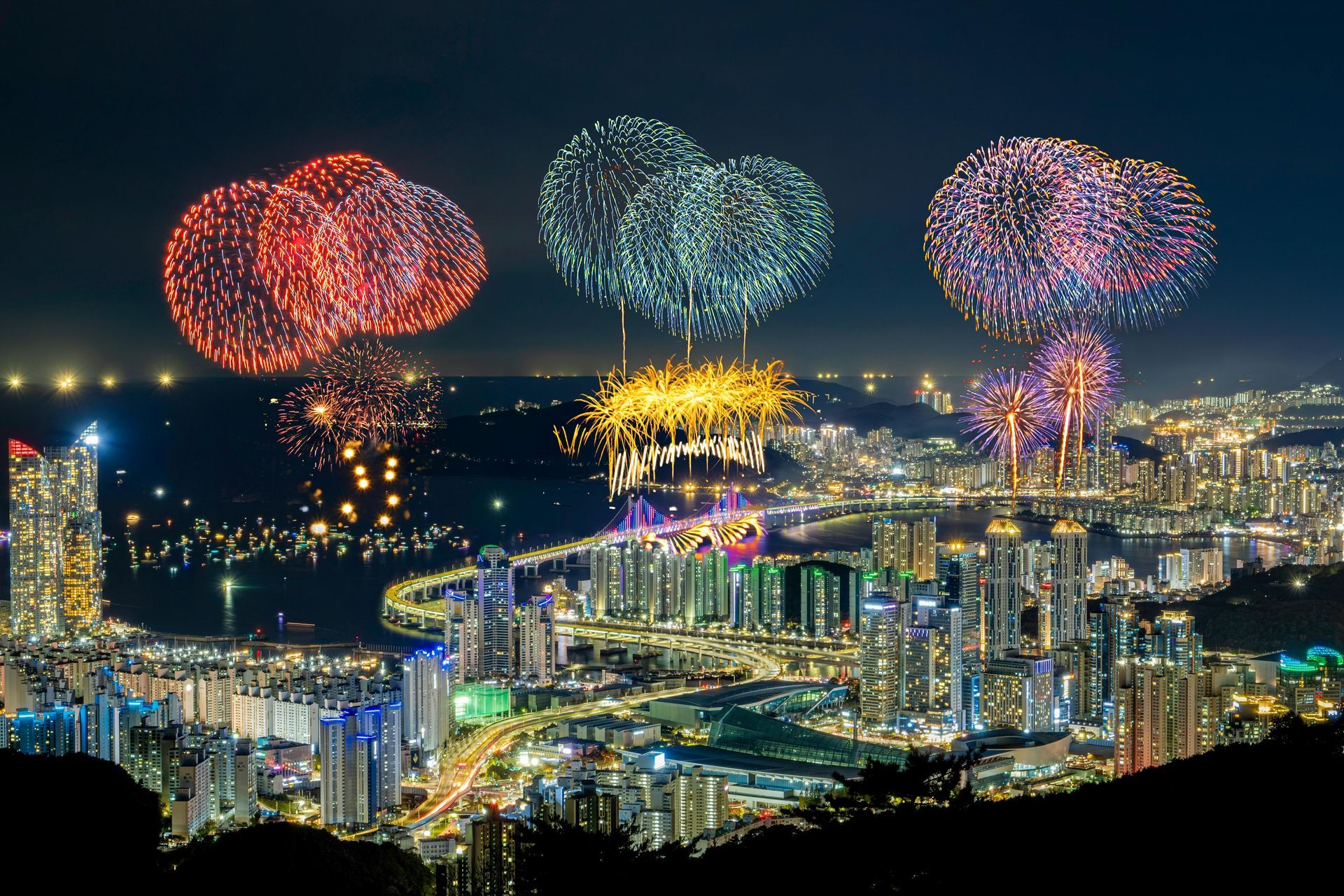
Busan – Coastal Energy & Relaxed Living
Busan is South Korea’s second-largest city and its main port, offering a laid-back coastal feel alongside urban energy. Beaches, seafood markets and hillside neighbourhoods give the city a distinct identity compared to Seoul.
It is particularly popular in summer and serves as a gateway to the southern coast.
Highlights & things to do:
- Relax on Haeundae and Gwangalli beaches
- Visit Jagalchi Fish Market
- Explore colourful Gamcheon Culture Village
- Walk coastal paths and temples such as Haedong Yonggungsa
- Enjoy fresh seafood and seaside cafés
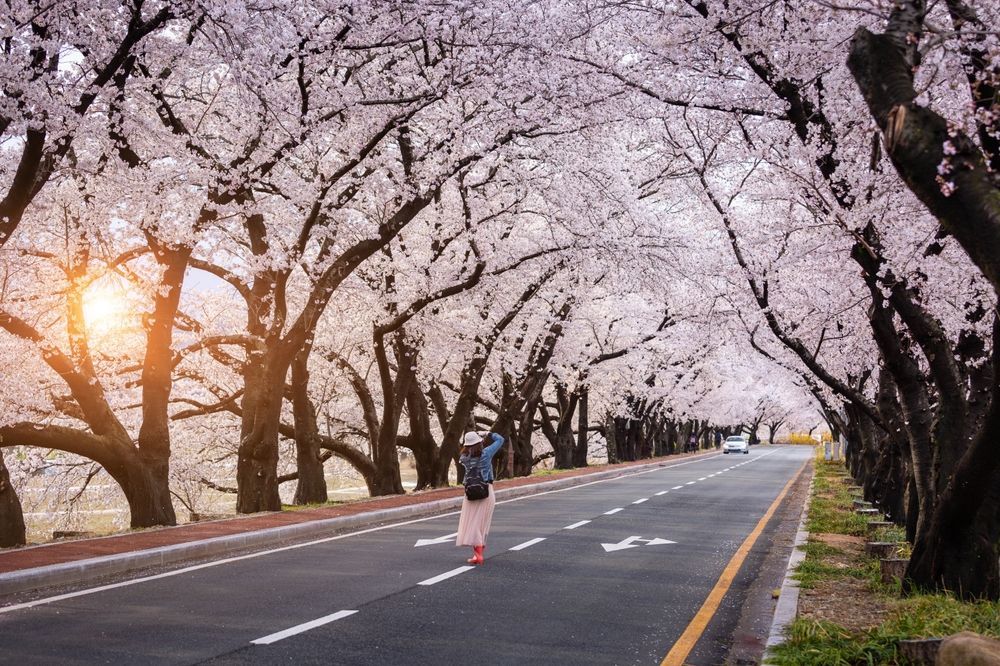
Gyeongju – The Museum Without Walls
Often referred to as Korea’s historical capital, Gyeongju was the heart of the ancient Silla Kingdom. The city is dotted with tombs, temples and ruins set within gentle landscapes.
Gyeongju offers a slower pace and a strong sense of continuity between past and present.
Highlights & things to do:
- Visit Bulguksa Temple and Seokguram Grotto (UNESCO sites)
- Explore ancient royal tombs and ruins
- Walk around Anapji Pond at night
- Visit museums showcasing Silla history
- Cycle through historic districts
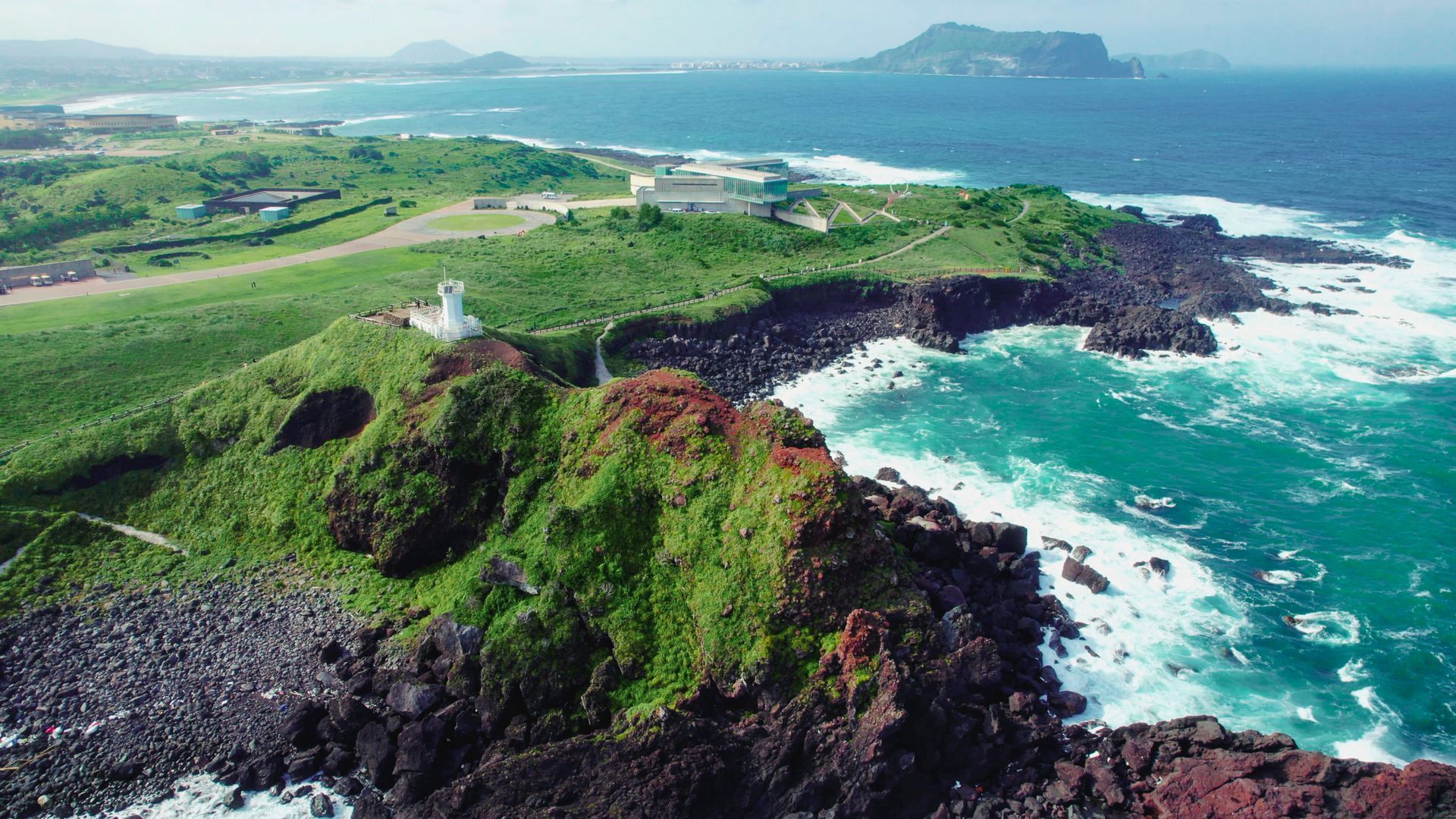
Jeju Island – Volcanic Nature & Island Culture
Jeju Island is South Korea’s natural playground, known for volcanic landscapes, waterfalls and coastal scenery. Its distinct culture and slower pace make it a popular escape for both locals and visitors.
Jeju offers excellent opportunities for outdoor activities and relaxation.
Highlights & things to do:
- Explore volcanic formations and lava tubes
- Hike Hallasan, South Korea’s highest mountain
- Visit waterfalls and coastal cliffs
- Relax on beaches and scenic coastal roads
- Experience Jeju’s unique food and island traditions
Unmissable Experiences in South Korea
Experience Korean Cuisine First-Hand
Food is central to Korean culture. From sizzling barbecue and comforting stews to street food markets and refined temple cuisine, meals are social, flavourful and deeply regional. Sampling dishes such as bibimbap, kimchi, tteokbokki and samgyeopsal is essential.
Visit Traditional Markets
Markets offer insight into daily life, local ingredients and regional specialities. From street food stalls to textile and seafood markets, they remain vibrant community hubs.
Relax in a Jjimjilbang
Traditional bathhouses, known as jjimjilbang, provide a uniquely Korean experience combining hot baths, saunas and relaxation spaces used by locals of all ages.
Explore Mountains & Temples
With much of the country covered in mountains, hiking and temple visits are easily accessible from cities. National parks and historic temples offer tranquillity and scenic beauty.
South Korea Know-How: Top Tips for First-Timers
Learn Basic Etiquette
Simple customs—such as bowing slightly, removing shoes indoors and using both hands when giving or receiving items—are appreciated.
Use Public Transport
South Korea’s transport system is reliable, affordable and easy to use, even for visitors unfamiliar with the language.
Stay Connected
Free Wi-Fi is widely available, and local SIM cards are inexpensive and useful.
Be Season-Aware
Weather varies significantly by season; packing appropriately makes a big difference to comfort.
A destination of energy, depth and cultural confidence
South Korea offers a compelling blend of modern innovation and deep-rooted tradition, delivered with efficiency, creativity and warmth. From neon-lit cities and coastal escapes to ancient temples and mountain trails, the country provides experiences that feel immersive and distinctive. For travellers seeking culture, cuisine and contrast—without complexity—South Korea stands out as one of Asia’s most rewarding destinations to explore.